The Thrill of Uncertainty
At the heart of casino gambling lies the thrill of uncertainty, which captivates players and keeps them returning for more. This emotional rollercoaster is rooted in a psychological phenomenon known as risk-taking behavior. When individuals put their money on the line, they often experience a rush of adrenaline and excitement that can be addictive. This excitement is not solely derived from potential winnings but also from the unpredictable nature of the games themselves, which engages the brain’s reward system. Many players seek platforms that offer seamless experiences, such as online casino fast withdrawal uk , where the anticipation of what might happen next is as exhilarating as any potential win.
The unpredictability connected with games such as slots, poker, or roulette stimulates the brain’s release of dopamine, a neurotransmitter associated with pleasure and reward. This reaction occurs whether a player wins or loses, as the anticipation and excitement of gameplay fulfill the brain’s desire for stimulation. As players engage with these games, they may become conditioned to associate the gambling experience with pleasure, leading to a cycle of gambling that is difficult to break. The allure of the unknown becomes a driving force, compelling individuals to return to the casino in search of that euphoric feeling.
This thrill-seeking behavior extends beyond the gambling table, influencing various aspects of players’ lives. Research suggests that individuals who engage in gambling may also partake in other risk-oriented activities, such as extreme sports or investments in volatile markets. Understanding this psychological aspect can shed light on why some individuals are more prone to compulsive gambling, revealing the complexities of human behavior in contexts that involve chance and risk. As the thrill of uncertainty permeates their lives, players may find themselves drawn into a cycle that blurs lines between recreational gambling and compulsive behavior.
The Illusion of Control
Another significant psychological factor at play in casino gambling is the illusion of control. Many players believe they can influence the outcome of games through skill, strategies, or superstitions. For example, a poker player may feel that their expertise gives them an advantage over opponents, while a slot machine player might develop specific rituals, such as tapping the screen or choosing a particular machine, believing these actions will increase their chances of winning. This common fallacy often leads to overconfidence, which can result in increased gambling activity and the potential for harmful financial consequences.
This perception that one can control or predict outcomes, despite the inherent randomness of gambling games, is a cognitive bias that can have detrimental effects. The belief in control can cause players to ignore basic probability and risk management principles, leading them to make poorer financial decisions. In some cases, this can result in significant financial losses and contribute to gambling addiction, as players become trapped in a cycle of seeking control while consistently facing unfavorable outcomes. The psychology behind this illusion is complex and can vary from person to person, depending on their past experiences and beliefs.

The illusion of control can also foster a false sense of security, where individuals feel empowered to wager more than they should. This psychological phenomenon is often exacerbated in social environments, such as casinos, where atmospheric elements—like bright lights and sounds—create an immersive experience. Players may find themselves investing more time and money than initially intended, driven by the false belief that they can turn their luck around through skill or sheer willpower. Recognizing this illusion is crucial for players to understand their motivations and take steps to manage their gambling habits more effectively.
The Role of Social Influence
Social dynamics play a crucial role in the psychology of gambling, impacting both behavior and decision-making processes. Casinos are designed to facilitate social interaction, with environments that encourage camaraderie and competition among players. Research indicates that individuals are more likely to gamble when they are surrounded by peers, leveraging social support and group dynamics that foster engagement in risk-oriented behaviors. This phenomenon can lead to an escalation of gambling behavior as participants feed off each other’s excitement and shared experiences, creating a collective atmosphere that can amplify risk-taking.
Moreover, social environments can amplify both positive and negative gambling experiences. For instance, witnessing fellow players experience wins may boost one’s motivation to continue playing, while observing losses can lead to feelings of anxiety and impulsivity. The influence of social interactions extends beyond the casino floor; gamblers may share stories of their wins and losses on social media, reinforcing their identity as a player. This sharing can normalize gambling behavior within their social circles, making it a more accepted and even celebrated activity. The pressure to keep up with peers can further entrench individuals in their gambling habits.
However, this social aspect of gambling can also lead to detrimental consequences. As individuals become more integrated into gambling communities, they may overlook warning signs of addiction or problematic behavior. The social pressure to participate can overshadow personal finances and well-being, demonstrating how group dynamics can cloud judgment and reinforce the gambling cycle. Understanding these social influences is essential for recognizing the broader impact of casino gambling on individuals and communities. It highlights the need for awareness and education around the risks associated with gambling behavior in social settings.
The Impact of Advertising and Environment
The casino environment, coupled with advertising strategies, significantly influences gambling behavior. Casinos are adept at crafting experiences that entice players, utilizing bright lights, enticing sounds, and complimentary services to create a welcoming atmosphere. These tactics are designed to disorient players’ perception of time and money, making it easier for them to lose track of their gambling habits. Research shows that a well-designed gambling environment can lead to increased time spent and money wagered, as players become absorbed in the sensory stimuli surrounding them.
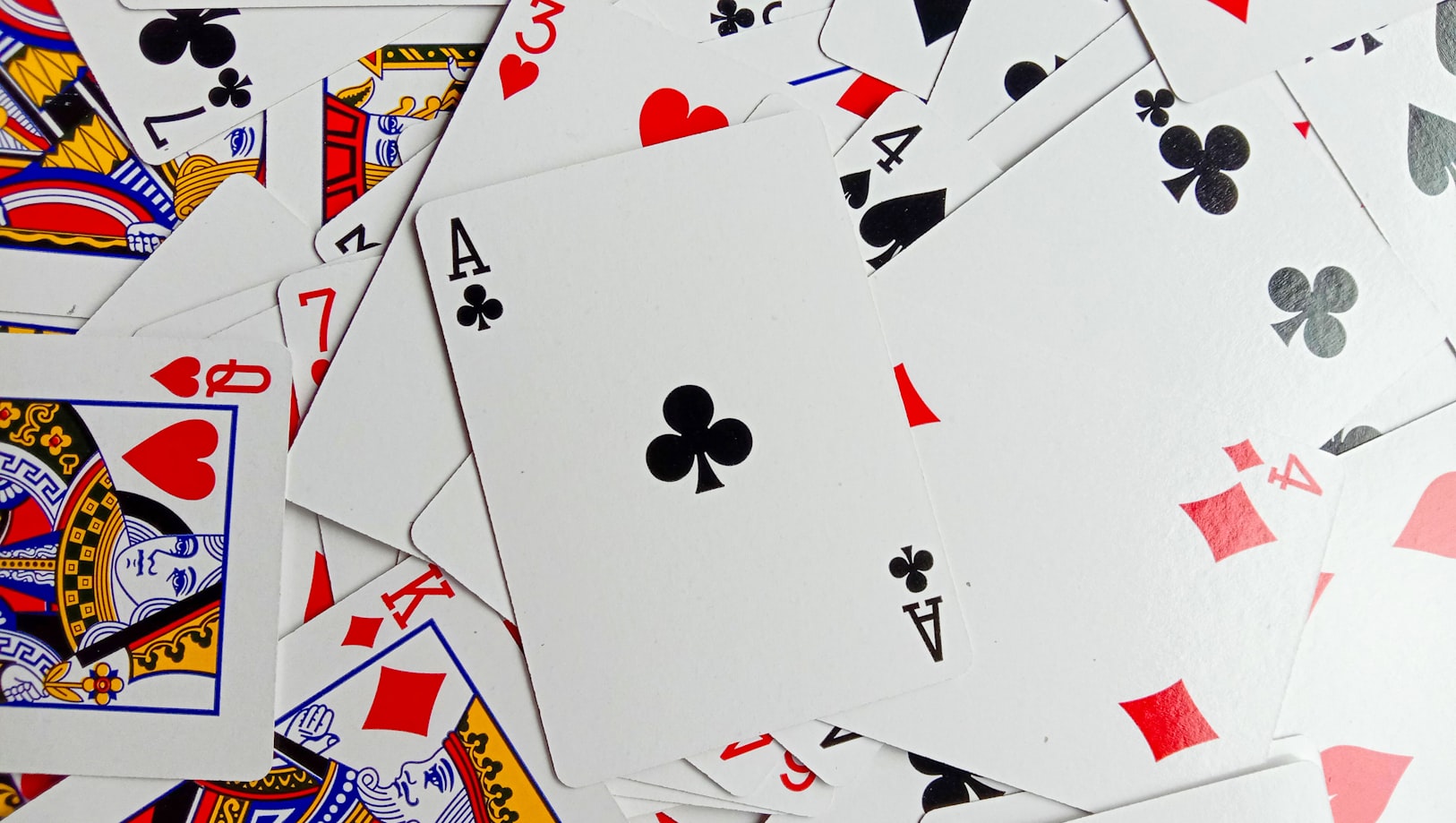
Moreover, the power of advertising in the gambling industry cannot be overlooked. Promotional campaigns often highlight potential winnings and foster an image of success and luxury associated with gambling. These advertisements can create unrealistic expectations, enticing players to believe they can easily achieve similar results. The portrayal of gambling in popular media, including movies and television shows, further romanticizes the lifestyle associated with high-stakes gambling, contributing to the allure and normalization of this behavior. Such portrayals can influence public perception and encourage individuals to engage in gambling without fully understanding the risks involved.
This combination of environmental and marketing strategies operates on a subconscious level, often leading individuals to become desensitized to the real risks involved. As players are continually exposed to these enticing elements, they may become more susceptible to impulsive decisions, further entrenching them in gambling behavior that can lead to negative consequences. A comprehensive understanding of these factors is vital for addressing gambling-related issues and fostering responsible gaming practices. It is essential for players to recognize these influences and make informed decisions when it comes to their gambling activities.
Your Resource for Insight and Support
For those looking to explore the intricate psychology of casino gambling further, our website offers valuable resources and insights. Whether you are a casual player seeking to understand your behavior or someone struggling with gambling addiction, our content aims to provide clarity and support. We delve into the latest research, share personal stories, and present expert opinions to help individuals navigate the complexities of gambling psychology. Our articles and resources are designed to educate and inform, helping players make more informed choices.
Our commitment goes beyond merely discussing gambling behavior; we aim to foster a community where individuals can connect, share their experiences, and find support. We understand the importance of addressing gambling-related issues holistically, encompassing emotional, social, and psychological dimensions. By providing educational materials and a platform for discussion, we hope to empower individuals to make informed decisions regarding their gambling habits. Our website serves as a hub for those seeking answers and understanding in a complicated landscape.
Ultimately, understanding the psychology of casino gambling is essential for promoting responsible gambling practices and helping individuals recognize the signs of problematic behavior. Join us on this journey of discovery and empowerment as we explore the fascinating interplay of psychology in the world of gambling. Together, we can foster a better understanding of gambling behavior and support those who may be struggling with its challenges.